Controllers Cost HOW Much Now? The Absurd Economics of Gaming Gear in 2024
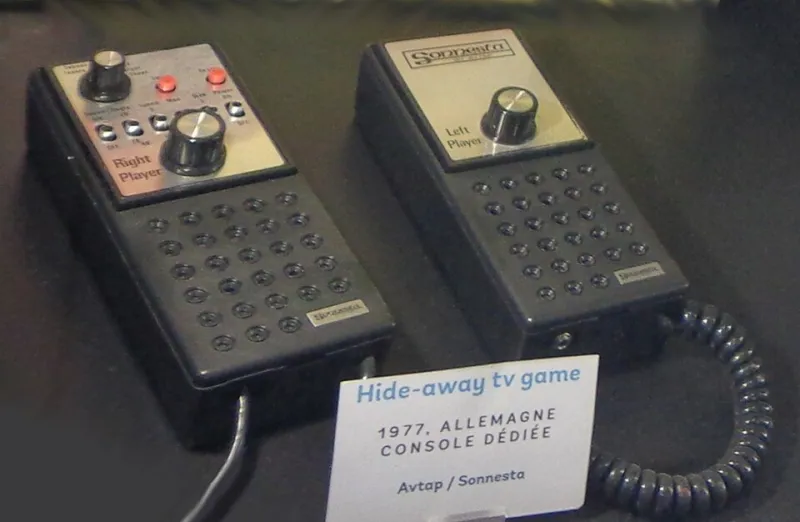
Photo: Edelseider, CC BY-SA 4.0, via Wikimedia Commons
Let's set the scene. It's a lazy Sunday afternoon. You plop down on the couch, reach for your controller, and — crack. The left bumper has officially given up the ghost. No big deal, right? Just grab a replacement. Easy.
Then you check the price tag.
Somewhere between "reasonable adult purchase" and "why does this feel like a mortgage payment," gaming peripherals have completely lost the plot. A standard Xbox controller will run you $60 to $70. Want the fancy version with back paddles and a braided cable? Clear your schedule, because you're looking at $180. Sony's DualSense Edge? A cool $200. And don't even get started on the boutique mechanical keyboard crowd — those people are operating in a different financial dimension entirely.
So what exactly happened? How did a hunk of plastic with some buttons become a luxury item?
A Brief, Painful History of Controller Prices
Back in 1996, a Nintendo 64 controller cost around $25 at launch. Adjusted for inflation, that's roughly $50 today — which, honestly, is still less than what you'd pay for a basic modern controller without any bells or whistles. The original PlayStation controller launched at a similar price point. For most of gaming's early history, peripherals were considered commodity items. Cheap enough to replace, easy enough to find.
Fast forward to the current generation, and the math stops making sense. The PlayStation 5's DualSense launched at $70 — a 40% jump from the DualShock 4's $60 price at the PS4's debut. Microsoft followed suit. Third-party controllers, once the budget gamer's best friend, have crept up alongside them. The days of grabbing a "good enough" off-brand gamepad for $20 are fading fast.
And the premium tier? It has absolutely exploded. Xbox's Elite Series 2 controller launched at $180 back in 2019. It's still $180. Inflation happened. Supply chain chaos happened. The price did not budge. Meanwhile, gamers kept buying them, which told the industry everything it needed to know.
The Scarcity Playbook (And How You Keep Falling For It)
Here's where things get spicy. Gaming companies have quietly borrowed a page from the sneaker industry's playbook — and it is working beautifully on us.
Limited colorways. Special edition drops. "Only available while supplies last." These phrases used to live exclusively in the world of Jordans and Supreme hoodies. Now they're plastered across gaming peripheral marketing like confetti at a cash-grab party.
Nintendo is perhaps the most notorious practitioner of this dark art. The company has a decades-long tradition of manufacturing scarcity — real or perceived — that sends fans into a frenzy. The NES Classic sold out instantly. The SNES Classic sold out instantly. Amiibo figures? Don't even bring it up around collectors of a certain age. The emotional response is Pavlovian at this point: Nintendo announces something, supply looks limited, and people panic-buy before they've even decided if they want the thing.
Sony and Microsoft play a subtler version of the same game. Premium controllers get exclusive colorways tied to game releases or cultural moments. Miss the drop, and you're either paying reseller markup or living with regret. Neither option is great for your bank account.
Real Gamers, Real Receipts
We asked around to get a sense of just how deep the spending hole goes for everyday players.
Marcus, 31, from Austin, Texas, estimates he's dropped over $400 on controllers in the last two years alone — including one Elite Series 2 that developed stick drift within eight months. "I literally duct-taped the bumper on my old Xbox One controller for six months because I couldn't justify buying a new one," he said. "And then I bought the Elite anyway. I have no explanation."
Jamila, 26, from Atlanta, went the custom route through a third-party modification service and spent $220 on a tricked-out PS5 controller with custom grip and button mapping. "It's the nicest thing I own," she said, only half joking. "My couch is from 2015 but my controller is immaculate."
Then there's Derek, 38, from Chicago, who found a workaround: he exclusively buys refurbished controllers from reputable sellers and has never paid more than $45 for any single one. Derek is, by all accounts, winning.
The Nostalgia Tax Is Very Real
One of the sneakier forces driving up peripheral prices is nostalgia pricing — the premium companies charge simply because something feels retro or classic. The 8BitDo line of controllers, which are genuinely excellent products, leans hard into SNES-era aesthetics. And people pay for that feeling. Not just for the quality — for the memory of sitting cross-legged in front of a CRT television in 1993.
Retro-branded accessories at major retailers often cost more than their modern equivalents despite offering less functionality. You're not paying for features. You're paying for vibes. And the industry knows it.
How to Stop Getting Played (Financially Speaking)
Alright, enough doom. Here's how to keep your gaming setup solid without hemorrhaging money.
Buy certified refurbished. Both Microsoft and Sony sell refurbished controllers through their official stores. These go through quality checks and often come with warranties. You can save 30–40% compared to buying new.
Watch for Amazon Warehouse deals. Open-box controllers frequently show up here in "like new" condition for significantly less. Check the condition notes carefully, but this is genuinely one of the better-kept budget secrets.
Don't sleep on PowerA. This third-party brand has quietly become one of the most reliable budget options on the market. Their wired controllers for Xbox and PlayStation hover around $25–$35 and hold up surprisingly well for casual play.
Avoid the hype cycle. That limited-edition Midnight Cobalt controller that dropped this week will almost certainly come back in some form, or something similar will. The scarcity is often manufactured. Wait it out.
Learn basic controller maintenance. Stick drift — the bane of every gamer's existence — is often fixable with a $10 can of contact cleaner and fifteen minutes on YouTube. Don't buy a new controller until you've at least tried to fix the old one.
The Bottom Line
Gaming should be fun. Like, that's the whole point. But it's getting harder to laugh about the price of admission when a single controller costs more than a week of groceries. The industry has figured out that gamers are emotionally invested enough to pay premium prices, and it is absolutely cashing in on that loyalty.
You don't have to play along. Shop smart, buy refurbished, resist the limited-edition bait, and maybe — just maybe — put that $180 toward something that doesn't develop stick drift in under a year.
Your couch, your rules. Just maybe not their prices.