Your Backlog Isn't a Library — It's a Landfill (And Here's How to Dig Out)
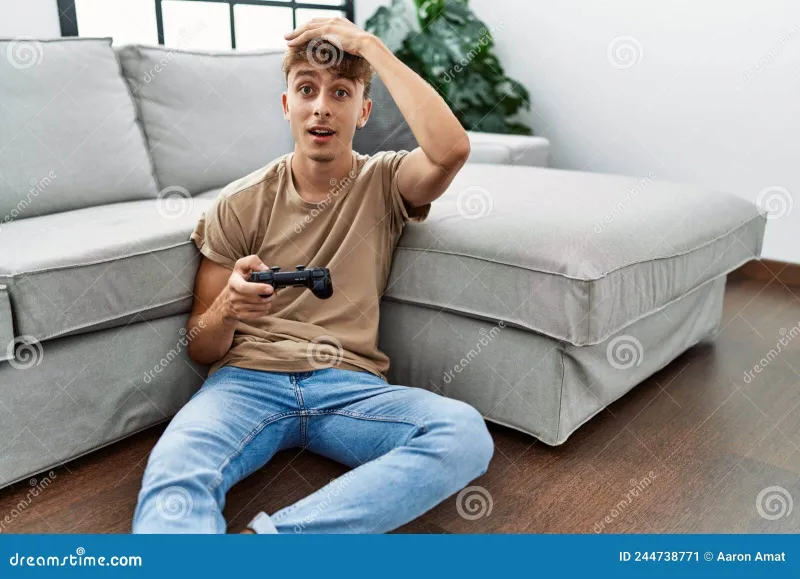
Let's do a quick exercise. Open your Steam library. Or your PlayStation app. Or that dusty Nintendo eShop wishlist you haven't looked at since 2021. Now count — roughly — how many games you own but have never actually played.
Go ahead. We'll wait.
Yeah. That number is uncomfortable, isn't it?
You're not alone, and you're not broken. But you might be a little bit cursed — in the very specific, very modern way that the gaming industry has engineered you to be. The backlog isn't an accident. It's a feature. And understanding why it happens is the first step to actually having fun again instead of just owning fun in bulk.
The Dopamine Math Nobody Warned You About
Here's the thing about buying a game versus playing a game: your brain doesn't really care about the difference. The same reward circuitry that lights up when you crack open a new level or nail a boss fight? It also fires when you click "Add to Cart" and watch that little number tick up in your library.
Purchasing a game feels like playing it. That's the trap.
Researchers who study consumer behavior have a name for this: anticipatory reward. The brain gets a hit of dopamine not just from an experience, but from the anticipation of that experience. Buying a game gives you the high of imagining all the hours of fun ahead — without requiring you to actually sit down and do the work of playing. It's the mental equivalent of buying a gym membership and feeling healthier just for owning one.
Steam sales are basically dopamine slot machines. A 75% discount on a game you've vaguely wanted for three years? Your brain processes that as an emergency. A finite opportunity. A deal that will evaporate. It doesn't matter that Steam runs a major sale approximately every 45 minutes — your lizard brain doesn't track that data.
The Numbers Are Genuinely Wild
If you think your backlog is bad, the aggregate picture is almost comedic. According to data from HowLongToBeat and various Steam analytics trackers, somewhere between 40% and 60% of purchased Steam games are never launched even once. Not started. Not played for five minutes and abandoned. Never opened.
Completion rates for games that are launched hover around 20-30% for most titles — and that's being generous. For longer RPGs and open-world games, the numbers crater even further. A game like Cyberpunk 2077 or The Witcher 3 — both incredible, both beloved — sees completion rates in the single digits among people who own them.
And yet the gaming industry sold a record number of titles last year. We are collectively buying games at a pace that no human being could realistically play through. The backlog isn't a personal failure. It's an industry-wide condition that we've all cheerfully signed up for.
Why "I'll Play It Later" Is Almost Always a Lie
Here's a brutal truth: the game you buy on sale today will almost certainly feel less appealing six months from now, not more. Gaming has seasons and cultural moments. Playing Among Us in 2024 hits differently than playing it in 2020 when your entire friend group was screaming about it on Discord. That window closes.
There's also the backlog guilt spiral to consider. The bigger your library gets, the more overwhelming it feels to choose. Psychologists call this choice paralysis — the phenomenon where too many options leads to no decision at all. So instead of picking something from your 200-game library, you open YouTube, watch someone else play for an hour, and go to bed having played zero games. The backlog grows. The fun shrinks.
And then a new sale hits, and the cycle starts over.
Practical Ways to Actually Escape the Graveyard
Okay, enough doom. Here's how to actually fix this, without turning gaming into a second job.
Set a Hard Library Cap
This sounds extreme, but try it: give yourself a rule that you can't buy a new game until you've finished — or consciously quit — one you already own. Not abandoned. Not "put on pause indefinitely." Either completed or deliberately set aside with a mental note of "this isn't for me." The act of formally closing the loop matters more than you'd think.
Stop Treating Unfinished Games Like Debt
One of the worst things you can do is guilt-spiral over a game you're not enjoying. You don't owe a game your time just because you paid for it. That's the sunk cost fallacy doing laps in your brain. If a game isn't clicking after three or four hours, it's okay to call it. File it under "tried it," and move on. Life is short. The backlog is long.
Create a "Now Playing" Shelf (And Keep It Small)
Consider treating your active gaming rotation like a physical shelf with limited space — maybe three games maximum. One main game you're actively progressing. One casual game for when you want something low-stakes. One multiplayer option for when friends are online. That's it. Everything else stays in the library, not in your head.
Unsubscribe From Sale Notifications (Seriously)
This one stings, but it's effective. Turning off Steam sale alerts, PlayStation Store emails, and Nintendo eShop push notifications removes the manufactured urgency that drives impulse buys. If you genuinely want a game, it'll still be there — probably on sale again — when you're actually ready to play it.
Play the "Would I Start This Tonight?" Test
Before buying any game, ask yourself: if I owned this right now, would I actually start it tonight? Not "someday." Not "when I finish my current game." Tonight. If the honest answer is no, it goes on a wishlist, not in your cart. A wishlist costs nothing and takes up zero mental real estate.
The Backlog Isn't the Enemy — The Mindset Is
Here's the reframe that actually helps: your backlog doesn't have to be a to-do list. It can just be a catalog of options — a menu rather than a pile of unfinished homework. The goal isn't to achieve inbox-zero on your game library. It's to spend more time actually playing and less time acquiring things to play someday.
Gaming is supposed to be the fun thing you do when you're done with all the other stuff. The moment it starts feeling like an obligation — like you're behind, like you're failing at leisure — something has gone sideways.
So close a tab. Pick something from the library you already have. And actually play it.
The sale will still be there next week. Promise.