You Don't Own Your Games Anymore — And That Should Freak You Out

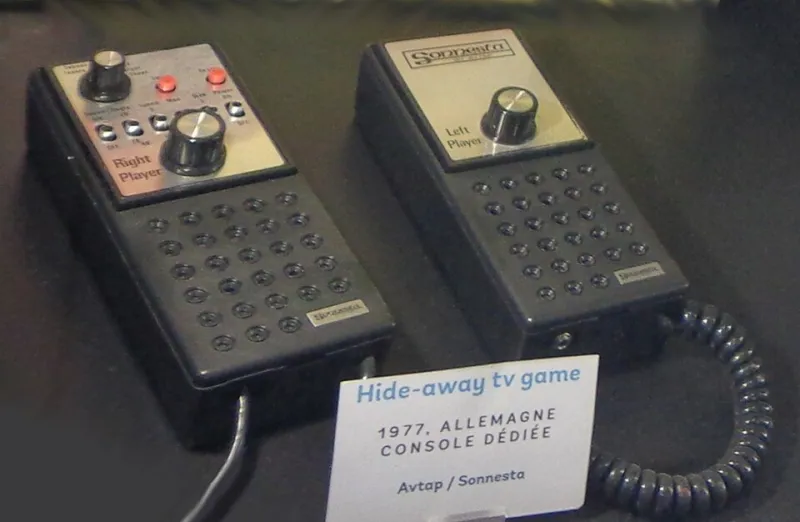
Photo: Jan Vašek, CC0, via Wikimedia Commons
Remember buying a cartridge, blowing into it like a tiny respiratory therapist, and knowing — knowing — that game was yours forever? You could play it at 2 a.m. on a Tuesday in 2031 if you wanted to, internet be damned. Nobody could take it from you. It sat on your shelf like a small plastic trophy of pure ownership.
That era is quietly dying. And most of us are too busy scrolling through our subscription library — looking for something to play and finding nothing — to notice the funeral.
The All-You-Can-Play Buffet Sounds Amazing Until You're Hungry
Game Pass, PlayStation Plus, EA Play, Apple Arcade, GeForce Now, Xbox Cloud Gaming — the list of services promising you access to hundreds of games for a monthly fee reads like a Silicon Valley fever dream. On paper, it's incredible. Pay fifteen bucks a month, play basically everything. What's not to love?
Here's what's not to love: you own exactly zero of it.
The moment any of those services raises prices (and they will — Xbox Game Pass Ultimate has already done it twice), restructures their catalog, loses a licensing deal, or simply decides a game isn't worth keeping around, that title vanishes from your library like it never existed. You didn't buy a game. You bought access to a game, on someone else's terms, for as long as they feel like honoring the arrangement.
This isn't hypothetical doom-scrolling. It's already happening. Games get quietly cycled out of subscription services every single month. Titles you were "definitely going to get to" just... disappear. And because you never actually owned them, you have zero recourse. You can't even complain to customer service without sounding like a guy yelling at a cloud.
The Licensing Chaos Nobody Warned You About
Here's where it gets genuinely messy. Game licensing is a labyrinthine nightmare involving publishers, developers, platform holders, music rights, sports leagues, celebrity likenesses, and about seventeen other parties who all want a cut and can pull the plug at any time.
Remember the original Tony Hawk's Pro Skater games? Those got delisted for years because the music licenses expired. Games featuring real athletes or real cars regularly vanish from digital storefronts once contracts lapse. Alan Wake disappeared from Steam for years due to music rights issues. These aren't fringe cases — they're increasingly common, and in a streaming-first world, they hit harder because there's no physical copy sitting in your closet as a backup.
When you own a disc or a cartridge, expired licensing is someone else's problem. When you're streaming from a server farm in Arizona, it's very much your problem at 9 p.m. on a Friday when you just wanted to unwind.
Casual Gamers Are Getting Hit the Hardest
Here's the part that doesn't get talked about enough: this trend disproportionately wrecks the experience for casual players — the people iTox Fun is literally built for.
Hardcore gamers can navigate the chaos. They know which games to buy outright, which to grab on sale, and which to stream. They've got the system figured out. But if you're a casual player who just wants to pick up a controller after a long week and play something fun without doing research, subscription fatigue is real. You're paying for three or four services, none of them have the exact game you want right now, and the one game you remember loving got rotated out last month.
The promise was simplicity. The reality is a fragmented, expensive mess that somehow feels worse than just buying games used to feel.
The 'Rent Forever' Economy Is Changing What Gets Made
There's a subtler, scarier dimension to all this: when publishers know you're subscribing to a service rather than buying individual titles, it changes what they greenlight.
Why invest in a deeply personal, fifty-hour single-player masterpiece when a live-service game with battle passes and seasonal content keeps subscribers engaged — and paying — month after month? The economics of the subscription model quietly nudge the entire industry toward games designed for retention rather than joy. Toward content that keeps you in the platform rather than content that gives you something genuinely memorable.
This isn't a conspiracy theory. It's basic business math. And it's already visible in the sheer volume of live-service games that have launched and flopped in the last few years, because publishers kept chasing the model even when players were clearly exhausted by it.
Not All Doom: Where Ownership Still Wins
To be fair, streaming and subscriptions aren't entirely the villain here. Game Pass has genuinely introduced people to incredible games they never would have paid full price for. Indie developers have found audiences through subscription platforms that they'd have struggled to reach otherwise. For someone who plays casually and doesn't have a strong attachment to any particular title, renting access is a perfectly rational financial decision.
And physical media isn't completely dead. A passionate, growing community of collectors is actively pushing back, buying boxed editions and maintaining libraries that no server outage can touch. Limited Run Games has built an entire business around the idea that people want to own things. The vinyl revival in music suggests that when digital gets too slippery, people reach for something solid.
The problem isn't that streaming exists. It's that streaming is increasingly the only option — and that the industry is quietly engineering a future where buying a game outright becomes the exception rather than the rule.
Play More, But Own What You Play
Look, iTox Fun exists because games are supposed to be fun. Not stressful. Not complicated. Not a monthly subscription management exercise. Fun.
And there's something fundamentally unfun about building a gaming life on a foundation that can be yanked away by a licensing dispute or a quarterly earnings call. The best gaming memories most of us have are tied to specific games we could return to whenever we wanted — not because a service decided to keep them in the catalog for another month.
So maybe the move is this: use subscriptions for discovery, but buy the games that matter to you. Grab the physical edition if one exists. Vote with your wallet for the model that lets you actually keep what you paid for.
Because a library you don't own isn't really a library. It's just a very expensive waiting room.